
Paris is a rewarding city to explore, but it pays to stay alert, especially in busy tourist areas. Pickpocketing, phone theft and street scams are concerns for visitors, while demonstrations can disrupt public transport and access to parts of the city. A little preparation helps you spend less time worrying and more time enjoying your trip.
For updates on demonstrations and possible travel disruption, see our Paris protests page.
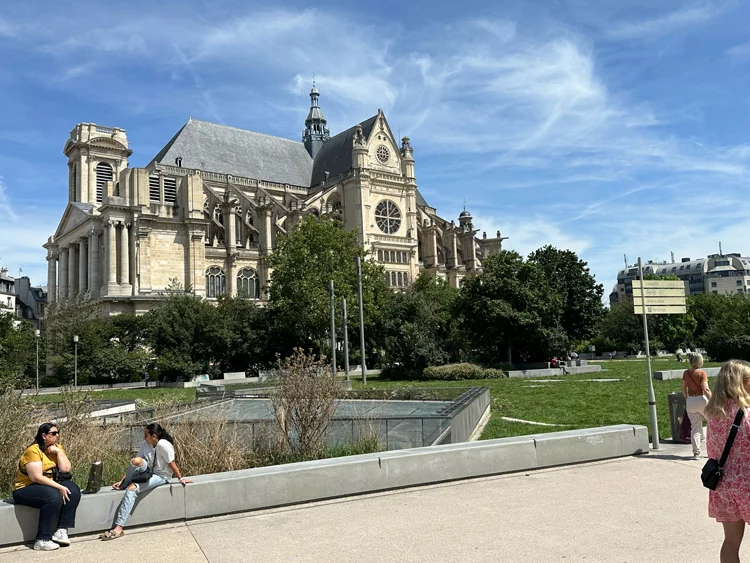
Are there areas of Paris you should avoid?
It is more useful to think about the street, time of day and immediate surroundings than to label entire Paris neighborhoods as safe or unsafe. An arrondissement is an administrative district, and conditions can vary within the same one.
Stay aware around major train stations and crowded tourist areas. At night, choose well-lit routes with other people around rather than isolated streets or empty parks. If a place feels uncomfortable, change your route. During demonstrations, avoid the gathering itself and areas with significant police activity, and follow instructions from local authorities.
Watch out for pickpockets
Crowds around landmarks such as the Arc de Triomphe, Notre-Dame and the Louvre can make it easier for thieves to get close without being noticed. The Paris Métro, regional RER trains, airport connections and busy stations also call for extra care, particularly when you are managing luggage.
Keep your phone and wallet out of easy reach, close your bag and carry it in front of you in a crowd. At a café terrace, keep your bag close rather than hanging it over the back of your chair. Avoid leaving your phone on the table.
Distraction is often part of the theft. One person may approach you or draw your attention elsewhere while another reaches into your bag. Be especially aware when someone crowds you near a ticket machine, train door or ATM.
Street scams to recognize
Friendship bracelets and roses
A familiar street scam involves someone offering to make a friendship bracelet, sometimes by reaching for your wrist before you have agreed. Once the bracelet is in place, they demand payment. This is associated with the area around Sacré-Cœur in Montmartre. If someone tries to put a bracelet on you, decline firmly and keep walking.
A similar approach involves someone offering a rose as though it were a gift, then asking for money. A short “No, thank you” is enough. If you want flowers, a florist is a more straightforward option.
Petitions and donation requests
Someone may ask you to sign a petition, often presented as support for a charity or people with disabilities, and then pressure you for a donation. These approaches can also distract you from your belongings. You can decline without stopping or entering into a conversation.
You may also encounter people selling newspaper subscriptions. A sales approach is not necessarily a scam, but you are free to say no and continue on your way.
Before you travel
Check the latest official travel advice for France through the US State Department, UK Foreign Office, Australia’s Smartraveller or the Government of Canada. These pages cover current security concerns and explain how to get consular help if you need it.
In an emergency in France, call 112 for the emergency services.