
We all know it: baguettes and croissants are as much a part of France as the Eiffel Tower is of Paris. They’re at the heart of French food culture and something every visitor falls in love with. In this article, you’ll discover what makes French baguettes and croissants so special, how to enjoy them like a local, and where to find the most delicious sandwiches in Paris.
Three types of baguettes in France
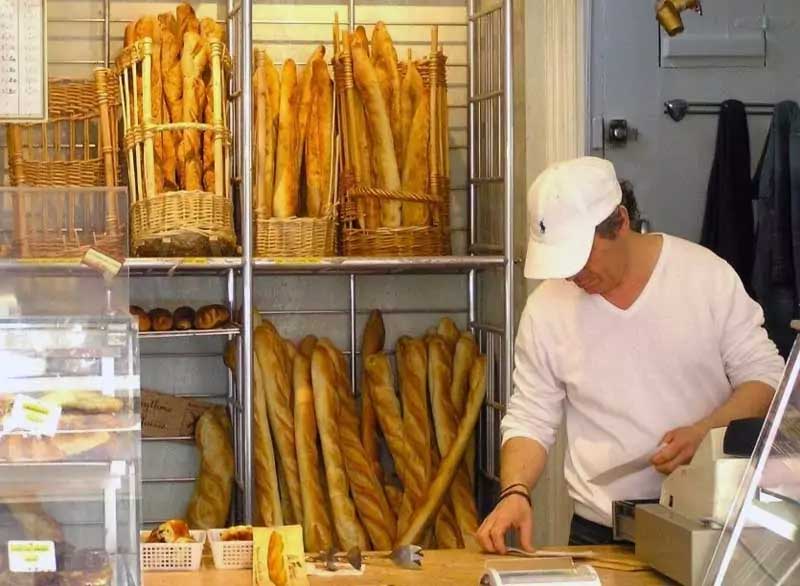
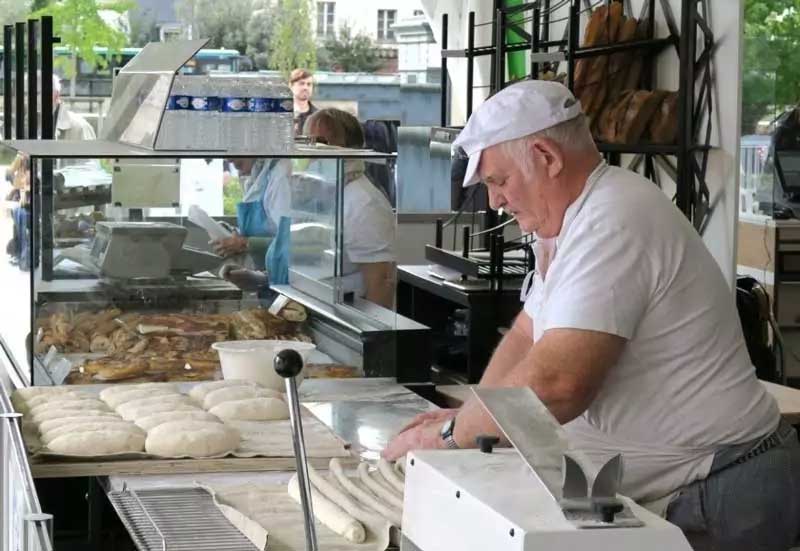
Let’s start with the basics. In France, the most popular type of bread is the classic baguette, which literally means “little stick.” Then there’s the flûte, a shorter and wider version with more soft bread inside. The ficelle is about the same length as a baguette but thinner, with a crisp, golden crust and less white bread in the middle. Beyond these favorites, you’ll find an endless variety of French breads in bakeries all over Paris. From light and airy loaves to rustic dark ones, each with its own texture and flavor. Exploring a French bakery in Paris is truly one of the simplest pleasures of visiting France.
Now, let’s talk about what makes French baguettes so different from the ones abroad. In many other countries, baguettes are made with the same flour used for regular white bread. Only the shape and crust are different. In France, however, bakers use a special kind of flour, and they are not allowed to add flavor enhancers or preservatives. Freezing the dough, as supermarkets often do elsewhere before baking, is also strictly forbidden.
A French baguette is heavenly when freshly baked but goes stale quickly. That’s why French bakeries bake bread all day long, using dough that’s rested for at least 24 hours to develop flavor. And it’s worth the effort, because honestly — nothing beats a warm, fresh baguette!
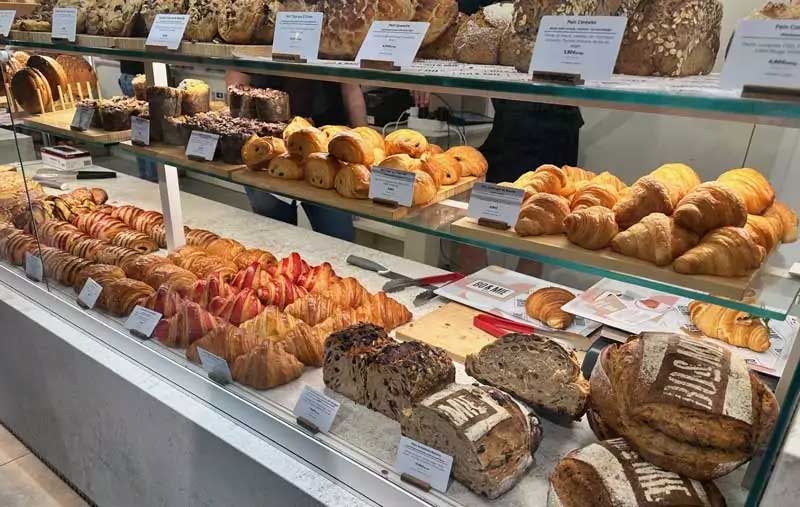
By the way, French bakeries, or boulangeries, are also full of sweet pastries, often with chocolate or glaze, which many French people enjoy in the morning.
Update Paris à la Carte
The Best Baguette of 2026
The Grand Prix de la Baguette de la Ville de Paris for 2026 has been awarded to Sithamparappillai Jegatheepan, owner of the bakery Fournil Didot, located at 103 rue Didot in Paris (14th arrondissement).
French vs. American bread
In the United States, bread is often made with enriched flour and may contain sugar, preservatives, and conditioners to keep it soft for several days. The crust is usually light and the texture airy. Ideal for toast or sandwiches, but very different from a French baguette. French bread, by contrast, is made with only four ingredients: flour, water, salt, and yeast. The result is a crusty exterior and a chewy, flavorful interior that’s meant to be eaten the same day. No wonder American visitors are often surprised by how fast a French baguette “ages”. That’s exactly how it should be.
Baguette as cutlery
In the early evening, it’s common to see Parisians waiting in line at their neighborhood bakery. They’re there for a freshly baked baguette, of course. In France, bread isn’t just for lunch; it’s an essential part of dinner too. The baguette often takes the place of a knife, except when you need to cut meat. It’s used to dip into soup and to wipe your bowl clean. Eating with a fork in your left hand and a piece of baguette in your right is the true French way. That’s also why restaurants in France don’t serve butter with the bread, unlike what you might expect elsewhere.

The croissant that wasn’t originally French
Why is it called a croissant? The name comes from its shape, a crescent, like a waxing moon. Although now a French icon, the croissant actually originated in Austria. When it was introduced to France, people started calling it a “croissant,” which literally means “crescent.”
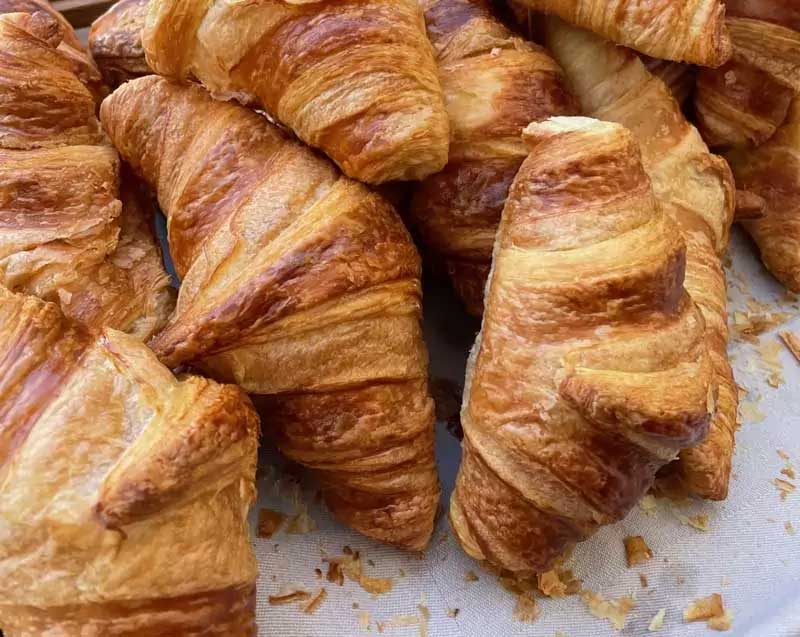
The first croissants, the curved ones, were made with margarine. Later, the richer and tastier butter croissant was introduced, rolled straight instead of curved. Ironically, many factory-made croissants today are straight too, but still made with margarine. So don’t be fooled by the shape!
Breakfast in Paris
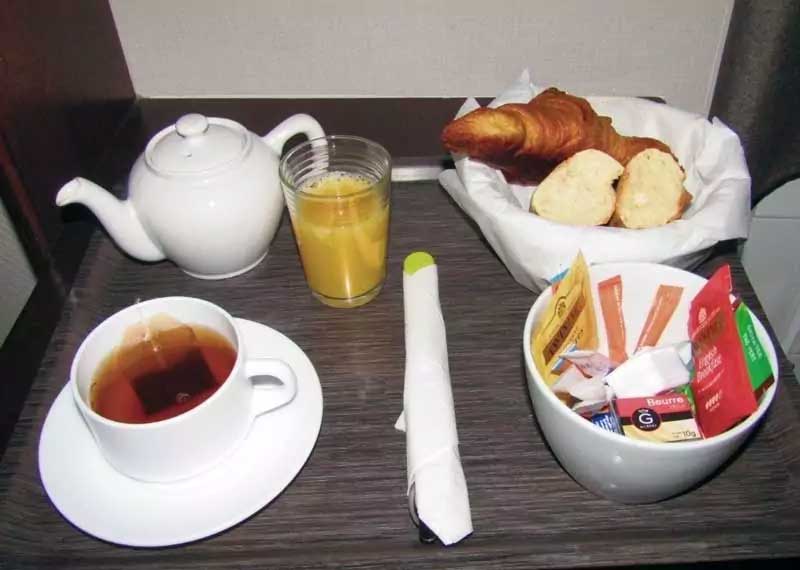
A typical continental breakfast in a French hotel always includes one or two croissants and pieces of baguette. Most Parisians begin their day with something sweet, often a chocolate pastry or a croissant. They dip it in their coffee, sometimes with a little butter or jam. That’s how locals can always tell who the tourists are, because they are the ones who don’t dip their croissant.
An award worth waiting in line for
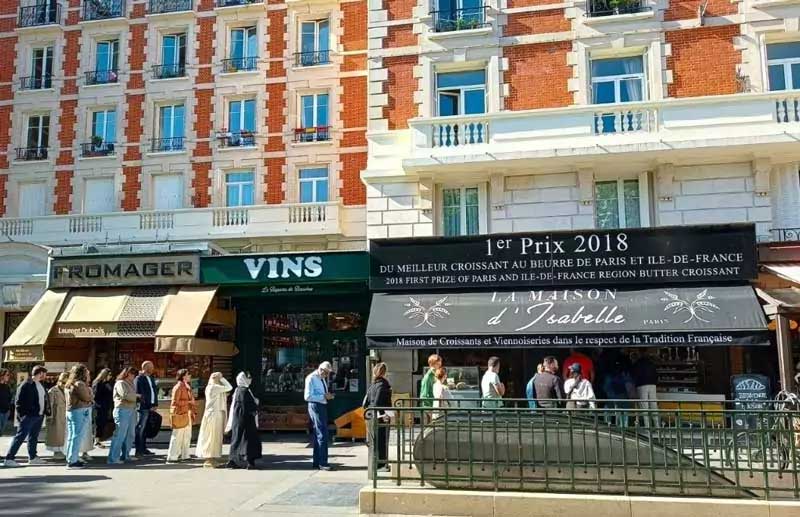
Every year, Le Syndicat des Boulangers du Grand Paris awards a prize for the best croissant in Paris and its surroundings. The title means serious fame for the winning baker. La Maison d’Isabelle on Boulevard Saint-Germain (in the Latin Quarter) won in 2018 and even in 2025, people still line up for their croissants.
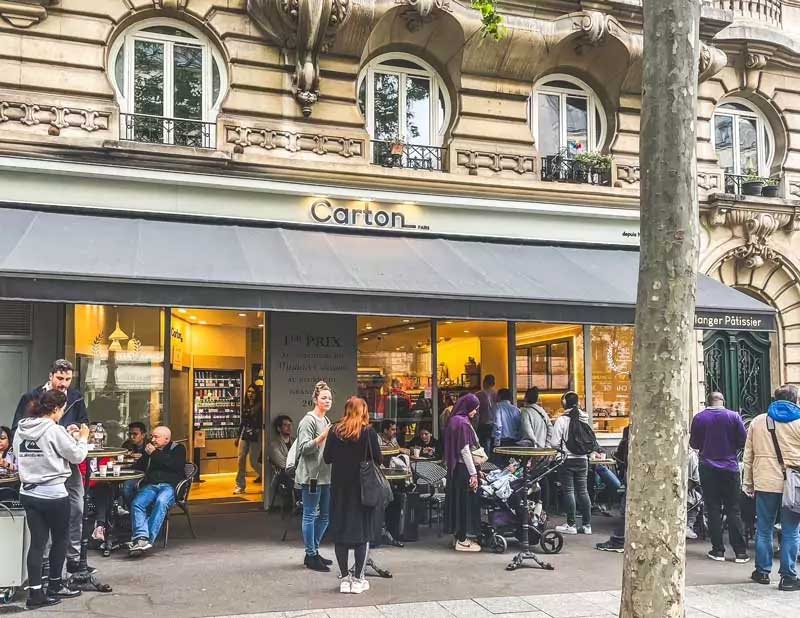
Another award-winning bakery is Carton on Boulevard de Denain in the 10th arrondissement. It won the prize in 2022 and is located just a one-minute walk from Gare du Nord, the station where the Eurostar departs for London, Brussel and Amsterdam. It is the perfect place to pick up a fresh croissant before your train, if you are lucky enough to miss the long line.
La Fête du Pain at the Notre-Dame square
Bread is such an important part of French life that every May, an event called La Fête du Pain takes place on the square in front of the Notre-Dame. Artisan bakers demonstrate how traditional bread is made, offer tastings, and award prizes for the best baguette. In fact, the French baguette has even been added to UNESCO’s list of Intangible Cultural Heritage.
The French sandwich
In England, a sandwich means two slices of bread cut diagonally. In France, of course, it’s completely different: a sandwich is made with baguette! Usually a third of a baguette, spread with butter and generously filled with meats, cheese, and vegetables.
Typical fillings include Saucisson Sec (dry-cured sausage, often with pickles), Jambon de Paris (Paris-style ham), or cheese with tomato and lettuce. That’s about three times as much bread and filling as your average sandwich.

You can find pre-made versions in supermarkets, but nothing beats a freshly made baguette sandwich from a brasserie or café. If you want it to go, just ask for it “à emporter”. They’ll wrap it in a paper sleeve.
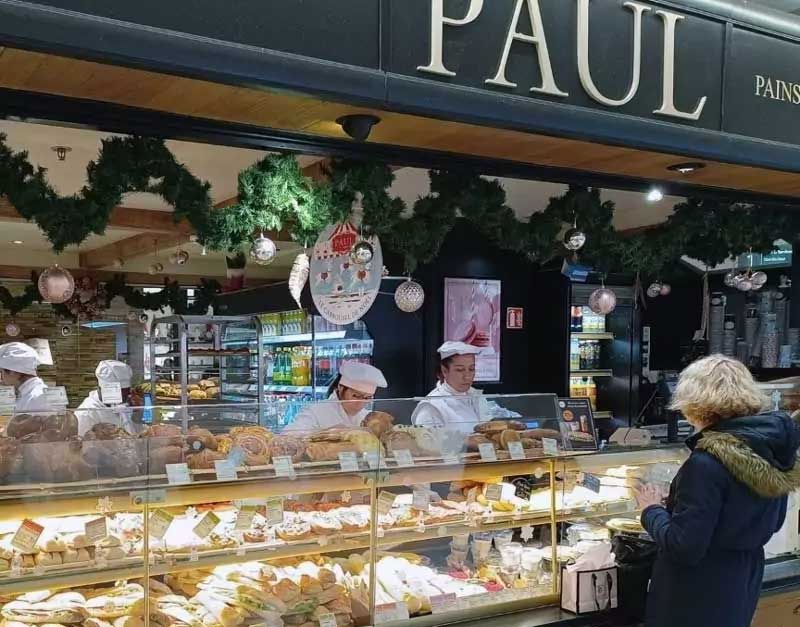
Be warned: after half a sandwich, your jaw might need a rest! If you pass one of the Paul bakeries, you’ll find a great selection of classic French sandwiches with all kinds of fillings.
Bread in restaurants
After a long day of strolling through Paris, it’s time to find a cozy restaurant and talk about the day. Once you’re seated and have your menu, you’ll soon receive a basket of bread and a bottle of water. They’re free of charge, that’s just how it works in France.
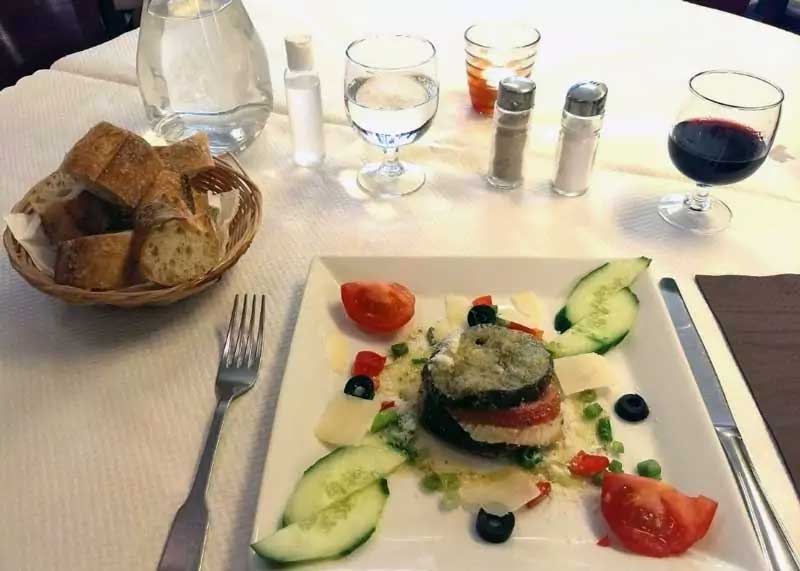
Some bistros now serve brown bread instead of white, but I still prefer the traditional baguette. Just don’t start eating it right away, it’s meant to accompany your meal: the starter, main, and dessert. And of course, for wiping your plate clean!
Bread also helps neutralize flavors between courses, so you can enjoy each dish anew. Just like Indonesians use krupuk or toasted coconut during their meals.
Coffee or cheese
Ordering coffee usually signals to your waiter that the meal is over, and you may soon receive the check (l’addition), which literally means “the addition.” If you’ve chosen cheese for dessert (which the French eat at the end of the meal rather than as an appetizer), you’ll need something to spread it on. You guessed it: more baguette!
Don’t hesitate to ask for another basket if you need more. Perfect with that last sip of wine. Paris truly is a city to savor, from early morning until late at night.
With thanks to Louis Vendel for this delightful article and the photos.